
“You reckon we can spend twenty grand on the first drop?” the producer asked, sliding a coffee across the desk.
That question hangs over every new venture in this sector. When you are mapping an expected launch casino studio AUD budget, you are not just counting coins. You are building a financial model that survives contact with reality. I have spent a decade cleaning up balance sheets where someone guessed the numbers and hoped for the best. That approach gets you fired, not funded.
Most punters know how to chase a line, but building the house is different work. You need to think like a CFO, not just a player chasing a bonus. The margins are thin, and the regulatory overhead is heavy. If you treat the capital like a punt, you will blow through it before the doors open.
Counting the real cost first
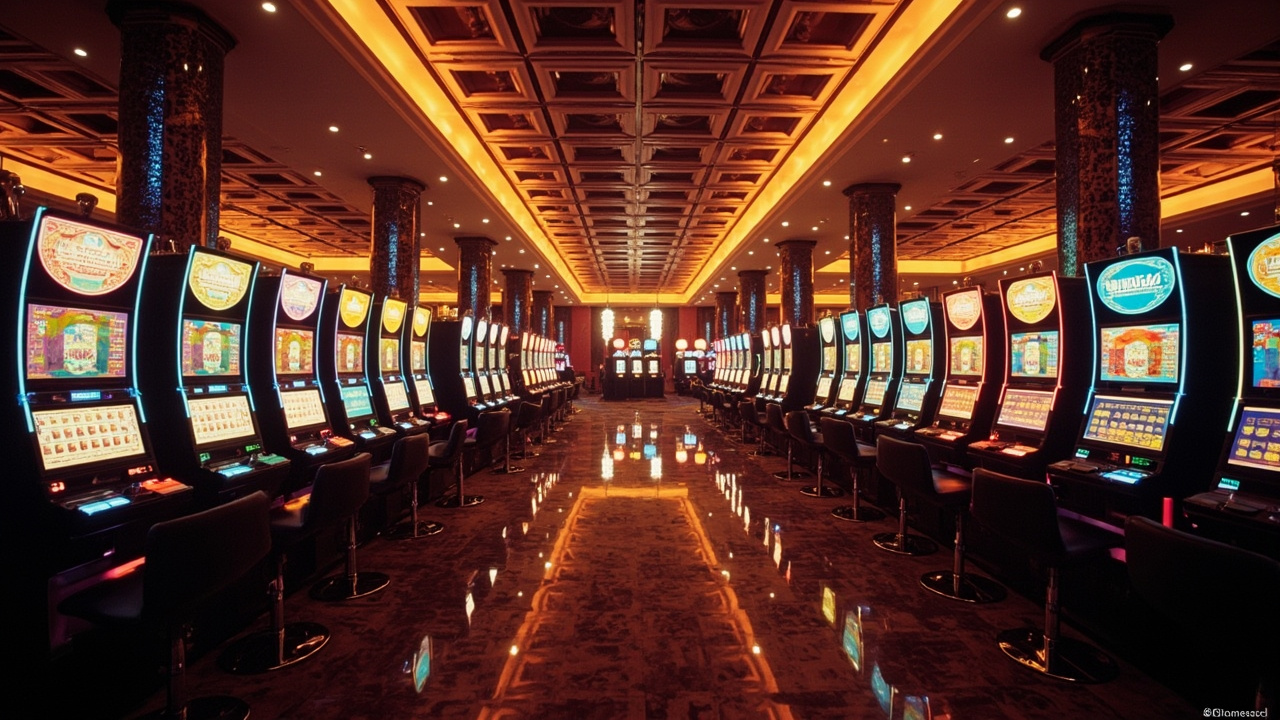
You need a line item for every single thing you cannot see. Licensing fees, server costs, compliance audits, these are the ghosts in the machine. I once watched a team burn through their seed capital on flashy graphics while forgetting the payment gateway fees. They learned the hard way that revenue means nothing if you cannot move the money.
State-level regulators in South Australia oversee what happens on the ground, but the online space is a different beast. You cannot claim offshore online casino play is licensed, regulated or officially endorsed in Australia. That distinction matters when you are writing the risk register. Assuming otherwise is a fast track to a frozen account.
Amelia Graham, Chief Financial Officer, Blue Mountains Interactive, keeps her eyes on the burn rate.”Cash flow kills more projects than bad design does,” she says.”You need to know your runway before you hire the first developer.” Her point is simple. If you run out of cash, the studio closes. No amount of marketing brings it back.
Adelaide locals know the rules
Down here in Adelaide, the heat haze off the McLaren Vale vines reminds you that things dry out fast. You need liquidity that lasts longer than a summer afternoon. The South Australia Independent Gambling Authority watches the physical venues, but your digital footprint crosses borders. That creates a compliance headache you must budget for.
William Edwards, Chief Financial Officer, Australian Gaming Futures, warns against undercapitalising the launch.”A lean start is fine, but a starved start is fatal,” he notes. You need enough buffer to fix bugs without panicking. Running on empty turns every small issue into a crisis.
You should also check the local hardware. A visit to the Adelaide Casino on North Terrace shows you what a physical operation looks like. The scale is massive, but the principles of cash handling remain the same. You can read more about how design shapes behaviour at architectureau.com if you want to see how spaces influence play.
Beginners guide to budget lines
If you are new to this, think of your budget like a poker bankroll. You never take the whole stack to one table. Split your capital into phases. Phase one covers the build. Phase two covers the launch. Phase three covers the first six months of operations.
Step one is to list your fixed costs. These are the bills that arrive even if no one plays a hand. Step two is to estimate your variable costs. Marketing and bonuses fall here. Step three is to add a contingency buffer of at least twenty per cent. Things will go wrong. Plan for them.
Do not skip the compliance line. You need legal advice to understand where you can operate. Ignoring this step is like playing blindfolded. You might get lucky, but the odds are stacked against you.
What history teaches us
The Flamingo, backed by mobster Bugsy Siegel, helped kick off the modern Las Vegas Strip in 1946. That launch was about spectacle, but it was also about sustained capital. Siegel did not just open the doors. He kept the lights on when the money got tight.
You should look at that model with a critical eye. Spectacle draws a crowd, but operations keep them there. If you spend everything on the launch party, you have nothing left for the Tuesday afternoon slump. A studio needs endurance, not just a flashy opening.
Pachinko parlours are famous for their deafening noise and dazzling lights. They create an environment that keeps people engaged. Your digital studio needs its own version of that engagement. But noise costs money. You need to balance the sensory appeal with the bottom line.
Tech stack and hidden fees
Cooper Wright, Gaming Technology Consultant, Nullarbor Gaming Analytics, tracks the hidden costs in software.”People forget the maintenance bill until the server crashes,” he says. You need to budget for updates, security patches, and downtime. These are not optional extras. They are the cost of staying in business.
Your tech stack needs to handle Australian players specifically. Payment methods here differ from the US or Europe. You need local gateways that do not choke on AUD transactions. If the payment flow is clunky, players leave. They do not send emails about why they left. They just go.
Security is another line item you cannot ignore. Data breaches cost more than just money. They cost trust. Once a player thinks their details are unsafe, they are gone for good. Budget for encryption and regular audits.
Marketing without burning cash
You do not need to spend a fortune to get eyes on the site. Targeted campaigns work better than broad blasts. You want players who understand the local context. They know the slang, the sports, and the rhythms of the weekend.
Consider linking your launch to existing interests. If you have a slot game, make sure the action on mustang gold slot is clear and accessible. You can find more on that at mustang-gold-slot-au.com. The point is to meet the player where they already are. Do not try to invent a new habit from scratch.
Track your customer acquisition cost closely. If it costs you fifty dollars to get a player who deposits ten, you are losing money. Adjust your spend until the numbers make sense. Marketing is an investment, not a donation.
Comparing the venue and the screen
You might wonder if you should just start with a physical presence. The costs are vastly different. A physical venue needs rent, staff, and security guards. An online studio needs servers, developers, and compliance officers. Both cost money, but the risk profiles differ.
| Feature | Physical Venue | Online Studio |
|---|---|---|
| Setup Cost | High rent and fit-out | Lower initial capex |
| Regulation | State-based oversight | Complex cross-border rules |
| Reach | Local patrons only | National audience |
| Cash Flow | Immediate physical handling | Digital processing delays |
This comparison shows where your money goes. A physical venue ties up capital in bricks. An online studio ties it up in code and compliance. You need to choose the model that fits your capital reserve. Neither is easy, but the online tritani.id route scales faster if you survive the launch.
Keeping the lights on
Once the launch happens, the real work begins. You need to monitor the KPIs weekly. Revenue, churn, and deposit frequency tell you if the model works. If the numbers drift, you need to act fast. Waiting for the monthly report is too slow.
Liquidity is your main concern in the first year. You need to pay out winners before you collect all the deposits. That timing gap can kill a studio if you are not careful. Keep a reserve fund that covers at least three months of payouts.
Do not get distracted by new features too early. Focus on stability first. A buggy site drives players away faster than a plain one. Fix the basics before you add the bells and whistles.
The budget dictates the pace. If you run out of money, the studio dies. Plan for the worst case and hope for the best. That is the only way to survive the first year.

Leave A Comment