
You have probably heard the advice to treat every session like a test run, and that contrarian claim deserves a defence before you spend another dollar. I have spent more than a decade closing deals where the difference between a good quarter and a bad one came down to preparation, not luck. The same discipline applies when you sit down at a digital table, and that is where the idea of a training casino game room Australia starts to make sense for wary players. You do not need a polished brochure to learn the rhythm of a machine or the flow of a card game. You need a controlled space where mistakes cost you nothing but time.
Canberra readers know the feeling of walking past a pub on Northbourne Avenue on a Tuesday evening and watching a dozen people stare at their phones while the pokies hum behind the glass. That scene is harmless enough, yet it captures the exact в онлайн-пространстве компании moment where curiosity turns into a habit you did not plan for. A proper practice environment gives you a way to observe that impulse without feeding it. You can watch how a bonus round behaves, how often a near-miss appears, and how quickly your attention drifts when the music loops for the tenth time. None of that requires a real wager, and none of it pretends to guarantee a result.
The people who got burned once usually tell me the same thing: they confused familiarity with safety. A screen that looks friendly does not mean the underlying maths has changed in your favour. I have seen sales teams chase a shiny dashboard for months while the actual pipeline quietly stalled, and the parallel is close enough to matter. You can learn the buttons, the paytables, and the pace of a live dealer stream without ever handing over your card details. That is the practical value of a training casino game room Australia, and it is why I keep pointing cautious players toward it before they commit any funds.
Test the Interface Before You Deposit
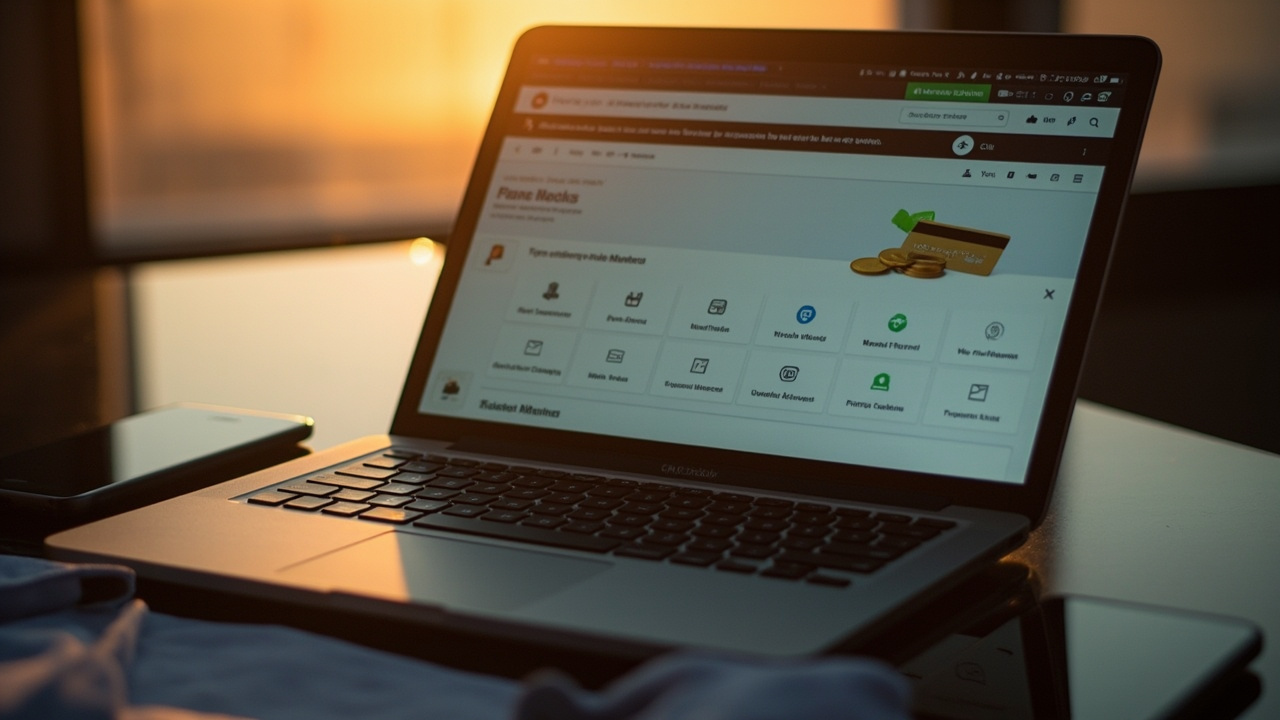
You should spend at least one full session clicking through every menu, paytable, and help page before you consider a real deposit. A good practice room lets you trace the path from lobby to game to payout screen without any money changing hands. I once watched a colleague spend an entire morning mapping a customer portal because a single hidden setting had cost us three deals, and the lesson stuck. You can apply the same habit here by noting where the bet controls sit, how the spin or deal button responds, and whether the game history panel actually updates in a sensible timeframe. If a demo feels jumpy or the labels are vague, that is a useful warning sign rather than a minor annoyance.
The practical test is simple and takes about twenty minutes if you stay focused. Open the lobby, pick a game you would actually play, set the bet to the lowest allowed value, and run through a dozen rounds while watching the balance panel. You are not trying to win anything; you are checking whether the interface behaves the way you expect when you adjust lines, change denominations, or toggle autoplay. A reliable practice environment will show you the rules text, the volatility hints, and the return information in a place you can actually find. If you cannot locate those details within a minute, you have learned something useful about the room itself.
Read the Rules You Would Actually Follow
A demo session is only useful if you read the rules the same way you would when real money is on the table. I have sat across from prospects who nodded through a product walkthrough and then missed the one clause that determined their entire onboarding timeline, and the cost showed up later. You can avoid that pattern by treating the paytable and the game rules as a contract you intend to honour. Look for the specific symbols that trigger a feature, the conditions that activate a free round, and the bet levels that actually change the outcome. A training casino game room Australia gives you the space to do that reading without the pressure of a running balance.
The checkable step here is to write down three rules you would need to remember mid-session, then verify each one against the help section. Say you are looking at a video slot with a bonus buy option: confirm whether the buy is available at every bet level, whether the feature payout is fixed or variable, and whether the demo mode displays the same symbol values as the real-money version. You are not chasing a strategy; you are building a mental checklist that stops you from making assumptions. That habit matters more than any shortcut you might hear at a pub on Brisbane’s South Bank.Dynamicbusiness
Watch the Payout Rhythm Without Chasing It
The rhythm of a game is one of the first things a practice room reveals, and it is also the thing most players misread when they are tired. I have seen sales forecasts swing because someone mistook a busy week for a sustainable trend, and the same error shows up when a run of spins feels meaningful. You can use a demo session to watch how often a feature triggers, how long a losing streak tends to stretch, and how quickly the screen tries to pull your attention back with lights and sound. None of that tells you what the next round will do, but it does tell you what kind of pace you are signing up for.
A concrete way to test this is to run two short sessions of twenty minutes each, one with the sound on and one with it off, and note how your own attention changes. You are looking for your own reaction more than the game’s behaviour, because the impulse to chase a near-miss is a human pattern, not a machine fault. A good practice environment lets you observe that impulse without feeding it with a deposit. If you find yourself leaning forward during a dry patch, you have learned something about your own thresholds before any money is involved.
Map Your Deposit Path Before You Commit
Your deposit path matters as much as the game you choose, and Australian payment habits make that path more specific than it looks from a distance. PayID moves quickly between participating banks, BPAY settles on a different timetable, and a card transaction can be blocked by your own bank’s fraud filters without much warning. I have lost more than one deal to a payment timing mismatch that nobody flagged until the deadline had already passed, so I pay attention to the mechanics before I promise anything. A sensible approach is to check which methods the room actually supports, how long a transfer usually takes to appear, and whether your own bank has a history of flagging gambling-related transactions.
The checkable step is to run a hypothetical test with a small amount you can afford to trace, such as a fifty-dollar transfer, and note the time it takes to show in your account. You are not trying to game the system; you are learning the lag so you do not assume a missing balance means a failed transaction. A training casino game room Australia is the right place to observe that process in a low-stakes setting, especially if you want to compare PayID speed against a card deposit without risking more than you intended. Some players also check the withdrawal side at the same time, because the outbound timing can be just as relevant as the inbound one.no deposit free spins fair go casino
Compare Demo Play Against Real Money Behaviour
A demo session and a real-money session can look identical on the surface while feeling completely different once your own money is involved. I have watched otherwise careful clients relax their standards the moment a dashboard turned green, and the shift was subtle enough to miss if you were not looking for it. You can use a practice room to separate the mechanics you understand from the emotions that show up later. Play the same game in demo mode, then note which rules you actually remembered when the screen started flashing and the music picked up. That comparison tells you whether your discipline holds up outside the quiet of a tutorial.Casinogrounds
The practical test is to repeat the same sequence twice: once in a free session and once with a stake you would genuinely consider, then write down any decision that changed between the two runs. You might find that you checked the paytable carefully in demo mode but skipped it when the balance started moving. You might find that autoplay felt convenient until a feature triggered and you wanted to take control. A training casino game room Australia gives you a way to spot those differences before they cost you more than a few minutes of frustration.
Sort Out Which Features Are Actually Useful
Not every feature in a game room deserves your attention, and a practice session is the best place to sort the useful ones from the decorative ones. I have spent enough time in product demos to know that a polished animation often hides a rule that matters more than the spectacle, and the same judgment applies here. You can use a demo to test whether a volatility setting changes the pace in a way you can actually feel, whether a bet adjustment matters for the features you care about, and whether a special mode is worth your time or just your patience. The goal is not to collect features; it is to keep the ones that fit the way you play.
A checkable method is to pick two bet levels and run the same game for fifty rounds at each level, then note whether the feature frequency or the balance swings feel meaningfully different. You are looking for a pattern you can describe in one sentence, not a spreadsheet. If you cannot tell the difference after a focused session, that is a useful answer in itself. A training casino game room Australia lets you make that call without turning a curiosity into a larger commitment.
Know When a Practice Room Has Done Its Job
A practice room has done its job when you can describe the game in your own words without looking at the help page every ten seconds. I have seen teams declare a product ready far too early because they liked the demo, only to discover the real workflow had gaps they never bothered to test. You can avoid that mistake by setting a simple exit condition before you start: three rules recalled correctly, one deposit path understood, and one personal trigger identified. When those three things are in place, you have learned what the room was meant to teach you.
The what happens next sequence is straightforward and worth following in order. First, you close the demo and write down the three things you would want to remember during a real session. Second, you check the payment methods and timing on the room’s own pages, not on a forum post from someone with a different bank. Third, you decide whether the game’s pace matches the time you actually have, because a twenty-minute commute and a two-hour evening are not the same session. A training casino game room Australia is a starting point, not a verdict, and the right moment to stop is when you can answer those questions without guessing.
Keep Your Caution in Front of the Screen
The players who stay cautious usually do so by keeping a written note in front of them, not by relying on memory once the screen starts moving. I have learned that the hard way in sales meetings where a good conversation disappeared the moment I did not write down the actual terms, and the same discipline works here. You can keep a short note of your bet limits, your time limit, and the one rule you most want to respect, then check it before every session. A practice room helps you build that habit because there is no pressure to perform, only a chance to repeat the same check until it becomes automatic.
A concrete condition to set is a hard stop at a time or a balance change you choose in advance, even when the money is not real. Say you decide that a twenty-minute demo session ends when the timer hits twenty minutes, regardless of whether a feature is active or the screen looks encouraging. You are training your own exit reflex, not the game. A training casino game room Australia can support that habit, but only if you treat the session as a rehearsal for the decisions you will make later. The caution stays useful precisely because it is boring, and boring is often what keeps a bad session from becoming a worse one.

Leave A Comment